ཤེར་པ་།
The Sherpa People
Guardians of the Himalayas — A legacy of resilience, spirituality, and mountaineering excellence
Origin of the Sherpa People
The Sherpa people trace their origins to the Kham region of eastern Tibet. Approximately 600 years ago, they migrated across the Himalayan passes to settle in the Solukhumbu region of Nepal. Their name, "Shar-Pa," literally translates to "people from the east" — a testament to their ancestral homeland.
This historic migration was driven by the search for peaceful lands where they could practice their Buddhist faith freely. Led by spiritual leaders and guided by ancient prophecies, the early Sherpas crossed treacherous mountain passes at elevations over 19,000 feet, carrying their traditions, religious texts, and way of life into the high valleys of Nepal.
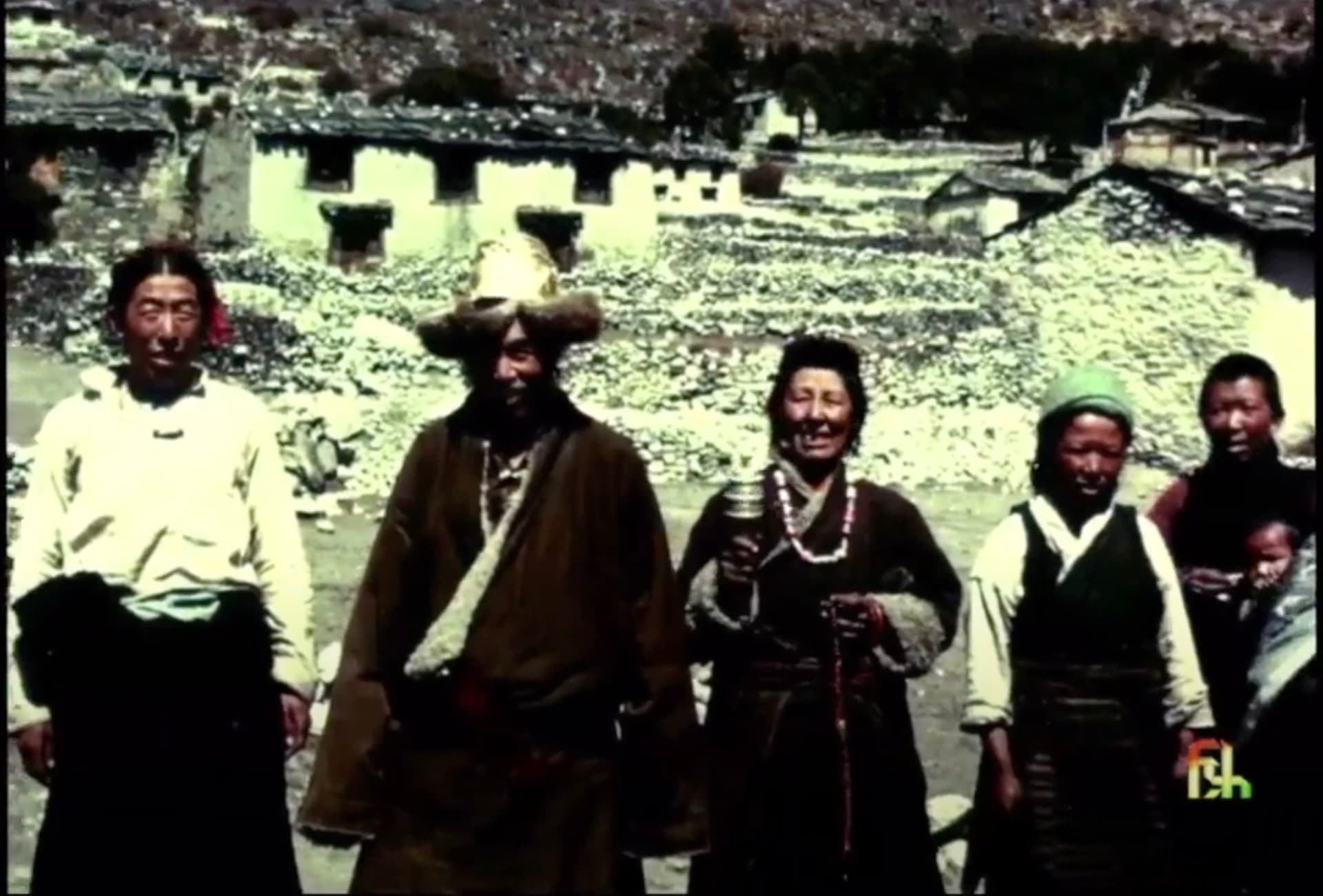
Settlement & Adaptation
Upon arriving in Solukhumbu, the Sherpas established villages at elevations between 9,000 and 14,000 feet — some of the highest permanent settlements on Earth. They developed a unique economy based on high-altitude agriculture, yak herding, and trans-Himalayan trade between Tibet and the lowlands of Nepal and India.
Their adaptation to the extreme altitude gave them remarkable physiological advantages, including enhanced oxygen-carrying capacity in their blood. This biological adaptation, combined with their intimate knowledge of mountain terrain, would later establish them as the world's most renowned high-altitude guides and mountaineers.
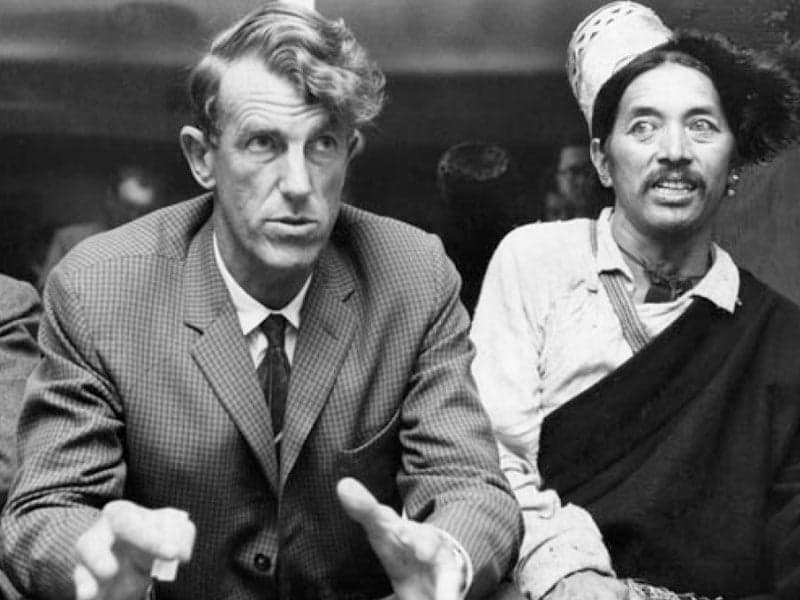
Sir Edmund Hillary with Sherpa mountaineers — a partnership that changed history
The Mountaineering Era
The 20th century brought Western explorers to the Himalayas, and with them came new opportunities for the Sherpa people. Their unmatched skills in navigating high-altitude terrain, combined with their strength, reliability, and cheerful disposition, made them indispensable to expeditions.
In 1953, Tenzing Norgay Sherpa and Sir Edmund Hillary became the first confirmed climbers to reach the summit of Mount Everest. This historic achievement brought global recognition to the Sherpa people and established their legendary reputation as the "Tigers of the Snow."
Today, Sherpas continue to lead expeditions on the world's highest peaks, holding numerous records for Everest summits and high-altitude achievements.
The Global Sherpa Diaspora
From the high valleys of the Himalayas, Sherpas have journeyed across the world, bringing their unique culture, work ethic, and warm hospitality to communities everywhere. Today, significant Sherpa populations thrive in cities across North America, Europe, and beyond.
Here in Sonoma County, California, our Sherpa community has planted deep roots while maintaining strong connections to our Himalayan heritage. The Himalayan Sherpa Club serves as a bridge between generations, ensuring that our children know their ancestry while contributing to our adopted homeland.
Some content on this page is adapted from the book Story and Customs of the Sherpas by Frances Klatzel, based on the stories told by Tengboche Rinpoche, Ngawang Tenzin Zangbu. All rights belong to the original authors.